Silk Laundry · Keshet · Farmstead Meats

Paid Search & Paid Social


Three Australian Shopify brands, one rule: run the account on the client's reality, not the agency's habits
Google Ads (Search, Shopping, Performance Max), Meta Ads, Shopify tracking and feed setup, reporting dashboards
Client
Silk Laundry, Keshet, Farmstead Meats
Date
2026, ongoing
Service
Marketing



What happens when the agency runs your account for the budget it wishes you had, not the one you actually have?
Three Australian Shopify brands, fashion and food, three Google Ads accounts and one Meta account, taken over in 2026. The picture was the same everywhere: campaign structures built for bigger budgets, more creatives than the spend could test, bidding that kept running below the ROAS the owners had asked for, and in one account a product feed that was not even connected. Blended MER sat under 3. The brief was simple: run the accounts on the business as it actually is, and make the ad spend pay for itself.
What we changed in the first 60 days
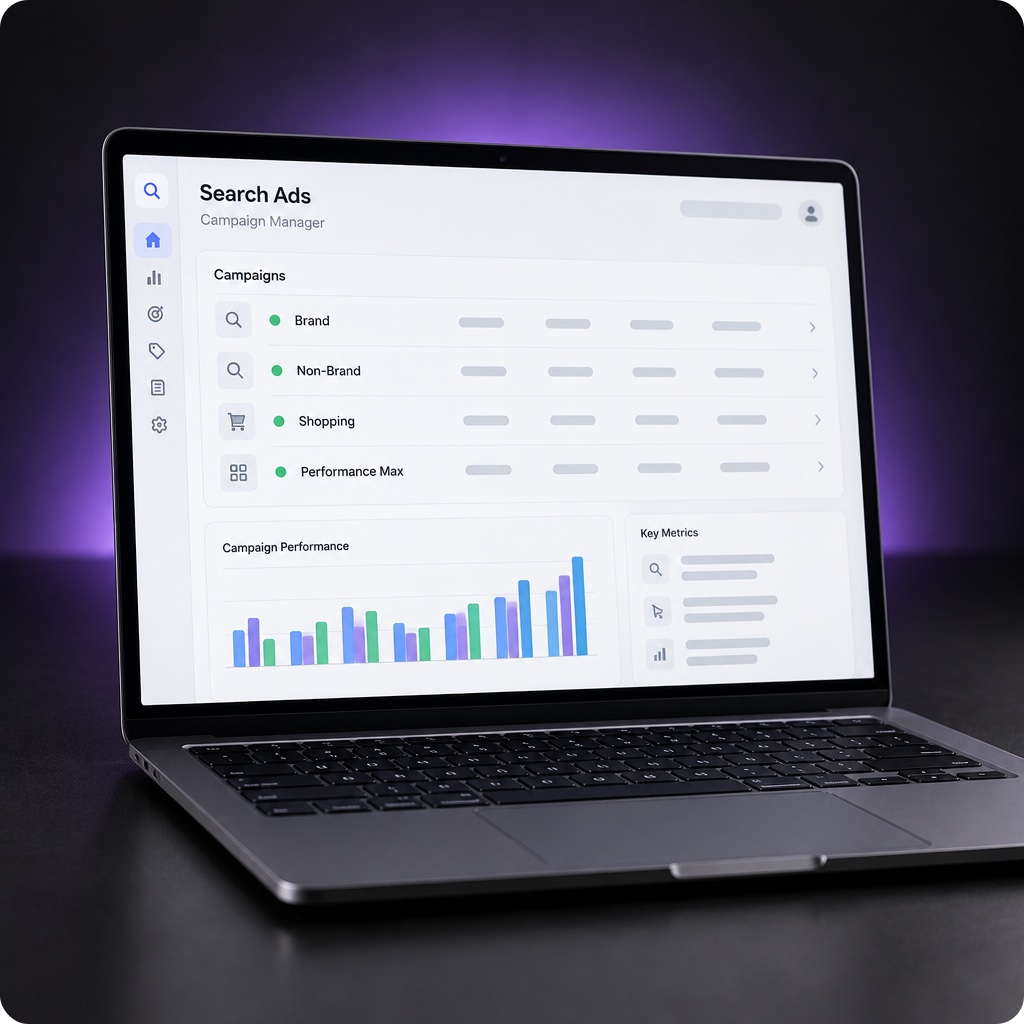
Rebuilt the structure around margin: brand and non-brand search split, Shopping and Performance Max fed by a clean product feed, Meta trimmed to the number of creatives the budget can actually test, and bidding targets set from contribution margin instead of revenue.
Fixed the plumbing before touching bids: Shopify conversion tracking, feed attributes and server-side signals repaired and verified, so every product is connected and every order is attributed. Only then did we start moving budgets.
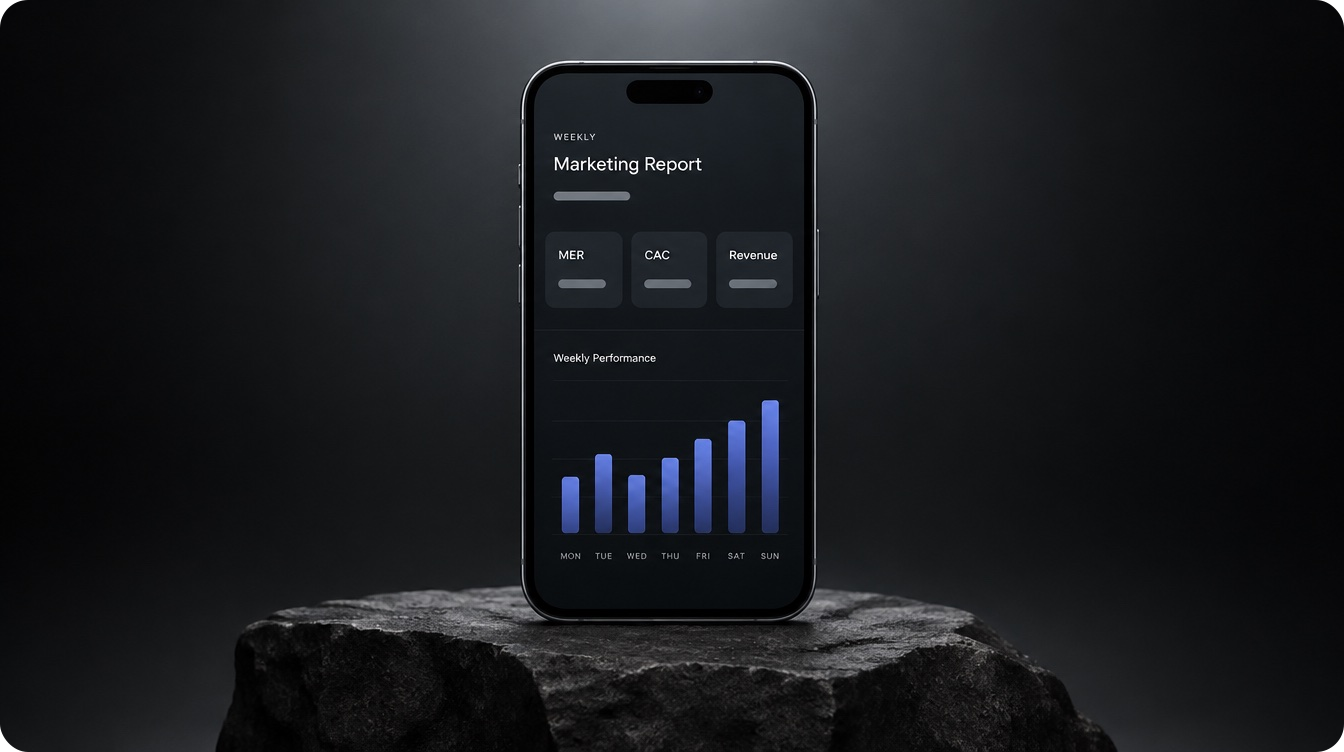
Reported like a partner: one shared dashboard per brand with MER, CAC and what we change next week, so the founders stopped making decisions on gut feeling and started making them on numbers they trust.

Before: MER under 3
Money was leaving the accounts faster than revenue was coming back. Thirty ad variations on a budget that gives Meta room for ten. Campaigns running below the 3x ROAS the owners had asked for. One Google account bidding on products that were not connected to the feed. Reports late or missing, so nobody could say which dollar was working. Blended MER under 3, and no clear read on why.
After: MER 7, six to seven months in
MER from under 3 to 7: marketing efficiency ratio, total revenue divided by total ad spend, more than doubled across the accounts. Not by spending more, but by cutting what did not pay back and feeding what did.
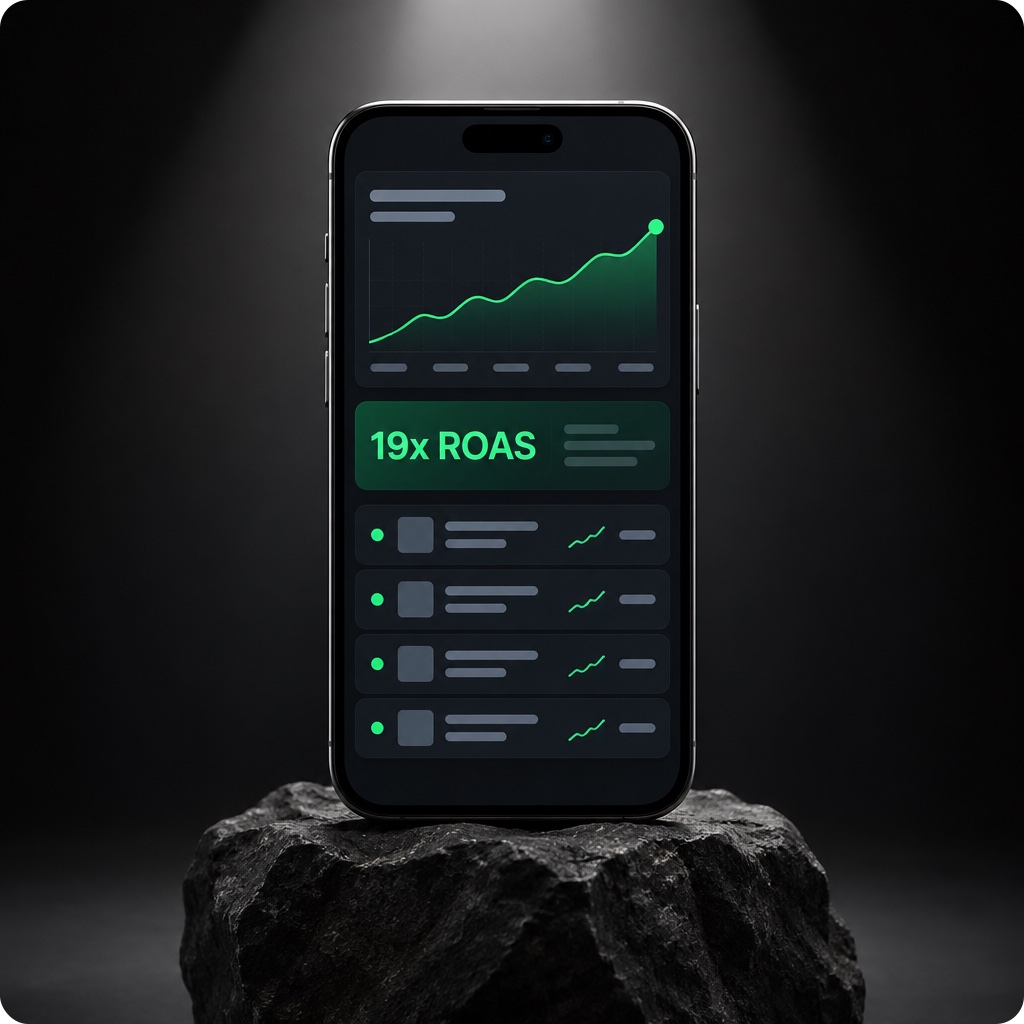
19x ROAS in a single month: one of the Google Ads accounts returned nineteen dollars for every dollar spent in September 2026, with ecommerce, services and visibility campaigns working as one system instead of competing for the same clicks.
Accounts that follow the business: budgets, creative volume and bidding now move with each brand's cash flow and margins. When a brand needs to slow down, the account slows down with it without losing its structure, and the founders see every change in their dashboard before they have to ask.